










Table of Contents
1. Defining Promotional Merchandise in the Modern Era
2. The Psychology Behind Tangible Marketing
3. Why Promotional Merchandise Works for Brand Recall
4. The Cost Effectiveness of Physical Advertising
5. Strategic Selection of Products for Maximum Impact
6. The Role of Sustainability in Branded Goods
7. Measuring the Return on Investment for Promotional Campaigns
8. Integrating Physical Goods into a Digital Marketing Strategy
9. Future Trends in the Branded Merchandise Industry
10. Maximizing Long Term Brand Loyalty Through Gift Giving
Defining Promotional Merchandise in the Modern Era
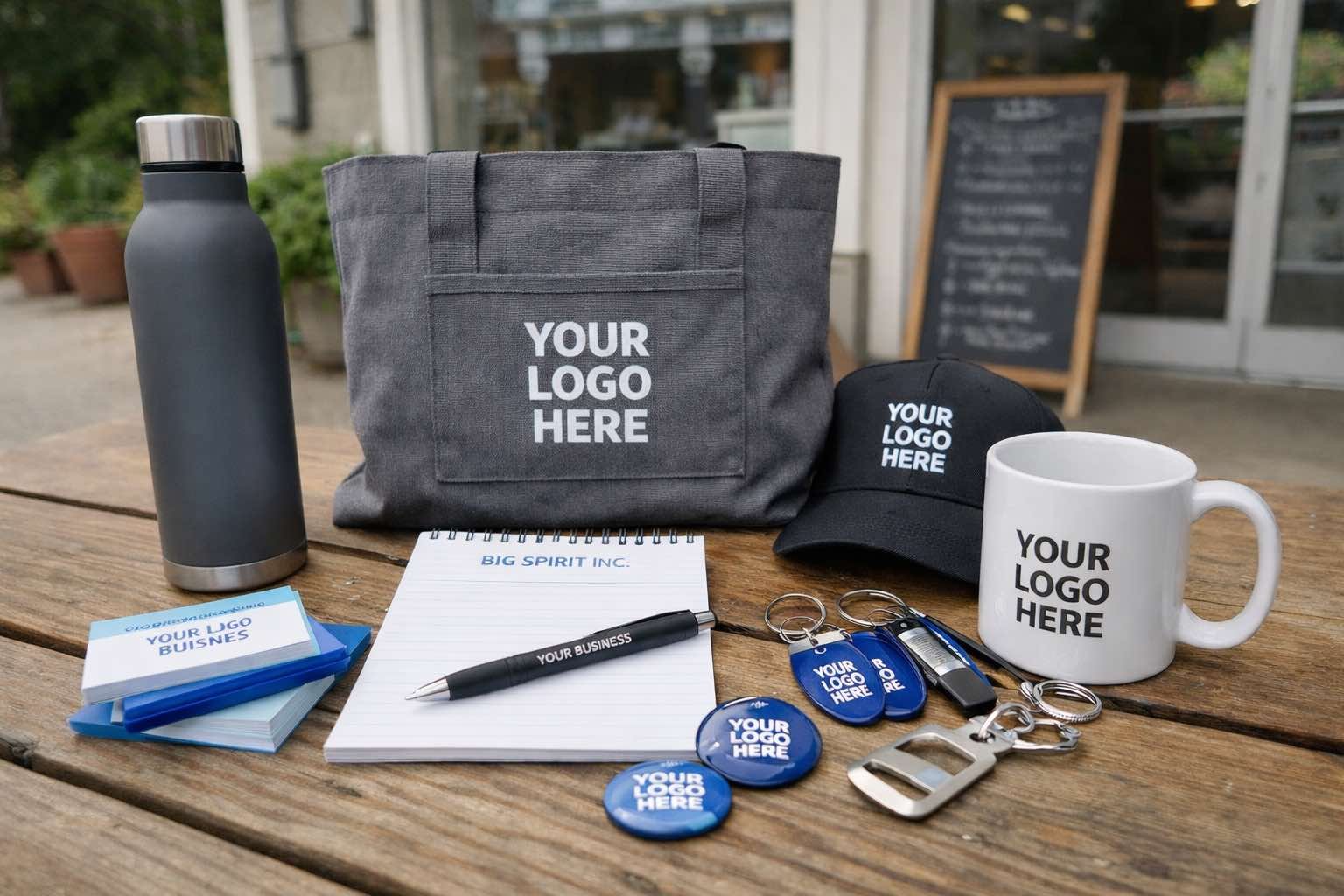
Promotional merchandise refers to useful or decorative items that are branded with a logo or message and distributed at little or no cost to the recipient. While the concept of giving away items to promote a business is centuries old, the modern application has evolved into a sophisticated multi billion dollar industry. These items, often called swag or promotional products, serve as a physical bridge between a brand and its target audience. Unlike a digital ad that disappears with a scroll or a television commercial that ends after thirty seconds, a physical product occupies a space in the real world.
The scope of this industry is vast, ranging from traditional items like pens and mugs to high end electronics and bespoke apparel. The fundamental goal remains consistent: to increase brand awareness, foster loyalty, and create a positive association with the company. When businesses partner with experts like Totally Branded to source these items, they are not just buying products; they are investing in a long term communication tool that speaks for the brand every time it is used.
The Evolution of Branded Goods
In previous decades, promotional items were often seen as disposable trinkets. However, the contemporary market demands quality and utility. Consumers are no longer satisfied with items that break easily or serve no purpose. Today, the focus has shifted toward high quality, functional goods that reflect the values of the company. This shift has elevated promotional merchandise from a simple giveaway to a core component of the marketing mix, sitting alongside social media, email marketing, and traditional advertising.
The Psychology Behind Tangible Marketing
To understand why promotional merchandise works, one must look at the psychological principles of reciprocity and the endowment effect. The rule of reciprocity suggests that when someone receives a gift, they feel a natural obligation to give something back in return. In a business context, this often translates to the recipient choosing that brand over a competitor or providing a positive review.
1. The Reciprocity Principle: When a brand provides value through a free gift, it creates a subconscious debt. The recipient is more likely to engage with the brand in the future to balance this social equation.
2. The Endowment Effect: People value items more highly simply because they own them. Once a customer holds a branded water bottle or wears a branded jacket, they feel a sense of ownership and connection to the brand that a digital image cannot replicate.
3. Sensory Engagement: Physical products engage multiple senses. The weight of a premium pen, the texture of a cotton tote bag, and the visual of a vibrant logo all work together to create a stronger memory trace in the brain than visual stimuli alone.
Why Promotional Merchandise Works for Brand Recall
Statistical data consistently shows that promotional products lead to significantly higher brand recall compared to other forms of advertising. According to industry research, nearly ninety percent of people who receive a promotional product can remember the name of the brand even two years later. This longevity is the secret weapon of physical marketing.
When considering what is promotional merchandise and why does it work, it is essential to note that Totally Branded helps companies capitalize on this longevity by providing products that stay in the hands of consumers for months or even years. A well chosen item acts as a silent salesperson. For example, a branded calendar sitting on a desk ensures that the company name is viewed every single day for a full year. This constant exposure builds familiarity, and familiarity breeds trust.
The Power of Repeated Exposure
In marketing, the rule of seven suggests that a prospect needs to see a brand message at least seven times before they take action. A promotional item achieves these impressions effortlessly. If a customer uses a branded coffee mug every morning, the brand message is reinforced hundreds of times annually at a fraction of the cost of a recurring digital advertisement.
The Cost Effectiveness of Physical Advertising
One of the most compelling reasons to use promotional merchandise is the low cost per impression. When compared to prime time television slots, full page magazine spreads, or competitive pay per click keywords, branded goods offer an exceptional return on investment.
1. Longevity of the Impression: A digital ad lasts seconds, but a high quality umbrella might last a decade. The initial cost of the umbrella is divided by every rainy day it is used, leading to a cost per impression that is often less than a fraction of a penny.
2. Targeted Distribution: Unlike mass media, which often reaches people outside the target demographic, promotional items can be handed directly to the intended audience. This eliminates wasted spend and ensures the message reaches the right hands.
3. Secondary Impressions: Promotional items often travel. A branded gym bag is seen by other commuters, gym members, and colleagues. This creates a ripple effect where the initial investment continues to generate brand views beyond the original recipient.
Strategic Selection of Products for Maximum Impact
Success in promotional marketing is not about choosing the cheapest item available. It is about choosing the right item for the right audience. To maximize the effectiveness of a campaign, businesses must consider the lifestyle and needs of their customers. Totally Branded offers a wide variety of options, but the strategy behind the selection is what determines the final outcome.
Aligning Product with Brand Identity
A luxury car brand should not give away cheap plastic pens, as this would contradict their brand image of quality and precision. Instead, they might opt for leather keyrings or high end travel accessories. Conversely, a tech startup might find more success with branded webcam covers or portable power banks. The product must be an extension of the brand story.
Utility as a Driver of Retention
The most successful promotional items are those that solve a problem or fill a need. A branded reusable shopping bag is useful because it replaces single use plastics. A microfiber cleaning cloth is useful for anyone with a smartphone or glasses. When an item is useful, it is kept. When it is kept, the brand remains visible.
The Role of Sustainability in Branded Goods
Modern consumers are increasingly environmentally conscious, and their perception of a brand is often tied to its commitment to sustainability. The promotional merchandise industry has responded by offering a vast array of eco friendly options. Using recycled materials, organic cotton, or biodegradable plastics is no longer a niche choice; it is a business necessity.
Selecting sustainable products from Totally Branded allows a company to demonstrate its corporate social responsibility. When a recipient sees that a brand has invested in a sustainable bamboo notebook or a recycled PET lanyard, it communicates that the company cares about more than just profit. This ethical alignment can be a powerful differentiator in a crowded market.
Measuring the Return on Investment for Promotional Campaigns
While it is easier to track clicks on a website than it is to track the life of a branded hoodie, there are several ways to measure the success of a promotional merchandise campaign.
1. Call to Action Tracking: Include a unique QR code or a specific landing page URL on the merchandise to track how many recipients engage with the brand digitally after receiving the item.
2. Social Media Mentions: Encourage recipients to share photos of their swag on social media using a specific hashtag. This provides tangible evidence of reach and engagement.
3. Customer Surveys: Ask new clients how they first heard of the company. Often, the mention of a promotional item given at a trade show or event will surface as the initial touchpoint.
4. Redemption Rates: If the merchandise is used as an incentive, such as a free gift with purchase, the increase in sales volume during the promotion provides a clear metric for success.
Integrating Physical Goods into a Digital Marketing Strategy
The most effective marketing strategies do not treat physical and digital channels as separate entities. Instead, they integrate them to create a cohesive brand experience. Promotional merchandise can be the physical manifestation of a digital campaign.
For instance, a company running a webinar might send a physical kit containing a notebook and a branded snack to the first fifty registrants. This creates a sense of excitement and ensures the participants are prepared and engaged. By combining the reach of digital platforms with the tangible impact of physical goods, brands can create a multi dimensional presence that is difficult for competitors to replicate.
Future Trends in the Branded Merchandise Industry
The future of promotional products lies in personalization and smart technology. We are moving away from mass produced, identical items toward goods that can be customized for individual recipients. Furthermore, the integration of technology, such as NFC chips embedded in clothing or accessories, allows a physical item to trigger a digital action on a smartphone, such as opening a video or a discount code.
As the industry evolves, Totally Branded continues to lead the way by offering innovative solutions that meet these changing consumer expectations. The focus will continue to shift toward premium retail brands being used as promotional canvases, where the prestige of a known brand like North Face or Moleskine is combined with a company logo to create a high value gift.
Maximizing Long Term Brand Loyalty Through Gift Giving
At its core, promotional merchandise is about building relationships. In a world where most business interactions are transactional and digital, a physical gift stands out. It humanizes a corporation and shows appreciation for the customer. When a business gives a thoughtful, high quality gift, it moves the relationship from a simple service provider to a valued partner.
The longevity of these items ensures that the brand remains a part of the customer’s daily life. Whether it is the pen they use to sign a contract or the jacket they wear on the weekend, the brand is present during significant moments. This consistent presence is what builds the deep seated loyalty that every business strives to achieve. By understanding the strategic value of these products, companies can turn a simple marketing budget into a powerful engine for growth and retention.